
Why Choose Licensed and Bonded Contractors for Repairs
- Corbeck Snellenberg
- Sep 15, 2025
- 3 min read
When it comes to home repairs, choosing the right professional can make all the difference. Whether you need minor fixes or major renovations, hiring certified home contractors ensures quality, safety, and peace of mind. This article explores why certified professionals are the best choice for your repair needs and how they protect your investment.
The Importance of Certified Home Contractors
Certified home contractors have undergone rigorous training and testing to meet industry standards. This certification guarantees that they possess the necessary skills and knowledge to handle various repair projects efficiently. Hiring certified contractors means you are working with experts who understand building codes, safety regulations, and best practices.
For example, a certified contractor repairing your roof will know how to select the right materials and techniques to withstand local weather conditions. This expertise reduces the risk of future damage and costly repairs. Additionally, certified contractors often have access to the latest tools and technology, ensuring your project is completed with precision.

Benefits of Hiring Certified Home Contractors
Choosing certified home contractors offers several advantages that non-certified workers may not provide. Here are some key benefits:
Quality Assurance: Certification is a mark of professionalism and quality. Certified contractors follow strict guidelines to deliver excellent workmanship.
Safety Compliance: They adhere to safety standards, reducing the risk of accidents during repairs.
Insurance and Liability: Certified contractors usually carry insurance, protecting you from liability in case of injuries or damages.
Warranty and Guarantees: Many certified contractors offer warranties on their work, giving you confidence in the durability of repairs.
Efficient Project Management: Certified professionals manage timelines and budgets effectively, minimizing disruptions.
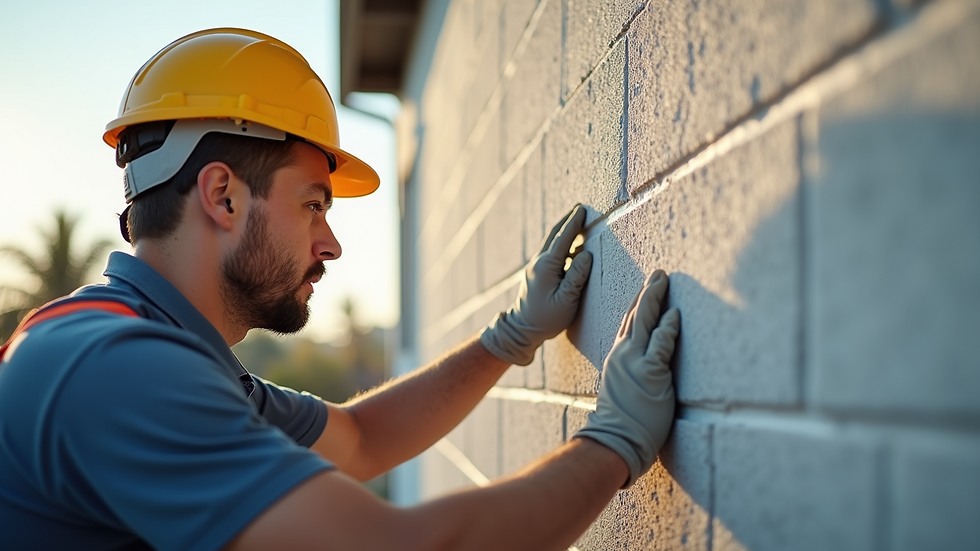
For instance, when repairing exterior walls, certified contractors will ensure proper insulation and weatherproofing, which can improve energy efficiency and home comfort.
What does a bonded contractor mean?
A bonded contractor has secured a surety bond, which is a type of insurance that protects clients if the contractor fails to complete the job or meet contractual obligations. This bond acts as a financial guarantee, ensuring that the homeowner will be compensated if the contractor does not fulfill their responsibilities.
Being bonded means the contractor has passed background checks and financial screenings, which adds an extra layer of trustworthiness. If a dispute arises, the bond can cover costs related to incomplete work or damages caused by the contractor.
For example, if a bonded contractor starts a kitchen remodel but leaves the project unfinished, the bond can help cover the expenses to hire another professional to complete the job.

How to Verify Certified and Bonded Contractors
Before hiring, it is essential to verify the credentials of any contractor. Here are practical steps to ensure you are working with certified and bonded professionals:
Check Licensing Boards: Most states have online databases where you can verify a contractor’s license status.
Request Proof of Bonding: Ask the contractor to provide a copy of their surety bond certificate.
Read Reviews and References: Look for feedback from previous clients to gauge reliability and quality.
Confirm Insurance Coverage: Ensure the contractor has liability and workers’ compensation insurance.
Ask About Certifications: Inquire about specific certifications related to your repair needs.
Taking these steps helps you avoid scams and ensures your project is in capable hands.
Why Choose Licensed and Bonded Contractors for Your Repairs
When you hire licensed and bonded contractors, you are choosing professionals who meet high standards of accountability and expertise. Licensing confirms that the contractor has met state requirements, while bonding protects you financially. Together, these credentials provide a safety net that non-licensed or uninsured workers cannot offer.
For example, if you need exterior repairs after a storm, licensed and bonded contractors will assess the damage accurately, use approved materials, and complete the work according to code. This reduces the risk of future problems and increases your home’s value.
In addition, working with licensed and bonded contractors often means faster project completion and better communication. These professionals understand the importance of customer satisfaction and strive to deliver results that meet or exceed expectations.
Choosing certified home contractors is a smart decision that safeguards your home and investment. By verifying credentials and understanding the benefits of licensing and bonding, you can confidently select the right professionals for your repair projects. This approach ensures quality workmanship, legal compliance, and financial protection, making your home repairs a smooth and successful experience.


Comments